Iconic Grunge Guitars and Amps
The iconic grunge guitars and amps behind the Seattle sound, from Cobain's Jaguar and Mustang to Soundgarden's Marshalls. Real models, real rigs, real tones.
The gear behind grunge is a study in beautiful contradiction. While hair-metal bands chased custom superstrats and racks of effects, the grunge generation grabbed whatever was cheap, dependable, and loud. The iconic grunge guitars and amps that defined the era were often pawnshop finds and workhorse amps, picked for attitude over prestige. This guide walks through the actual instruments and rigs that built the Seattle sound, and how to recognize the tones they produced.
The guitars that defined the sound
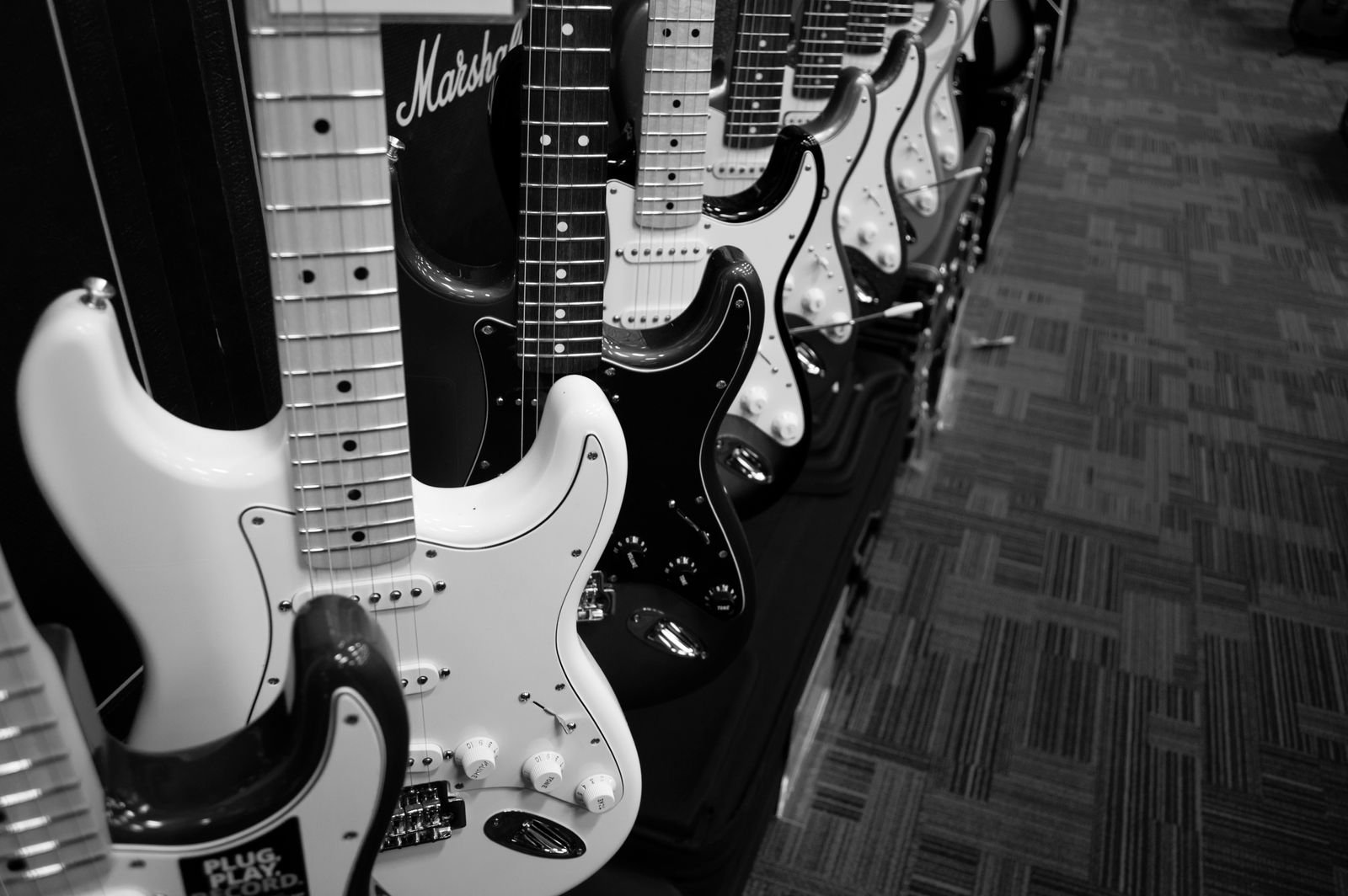
There’s no single grunge guitar, but a few models show up again and again. The thread connecting them is offset bodies, quirky pickups, and a refusal to look like a rock-star instrument.
- Fender Jaguar and Mustang: Kurt Cobain’s signatures. He famously played a left-handed Fender Mustang and Jaguar, often modified with hotter humbuckers in the bridge. Fender later issued the Jag-Stang, a hybrid he designed.
- Gibson Les Paul: Mike McCready of Pearl Jam leaned on Les Pauls and Strats for his bluesy, soaring leads.
- Guild and Gretsch hollowbodies: used for the unplugged side of grunge, including Nirvana’s famous acoustic set.
- Univox Hi-Flier: a cheap Mosrite copy Cobain used heavily in Nirvana’s early years.
Cobain’s logic was practical and punk: cheap guitars meant he could smash one without crying about it. That ethos shaped the whole aesthetic. If you want to recreate these tones, our guide on how to get a grunge guitar tone covers the playing and EQ side. (Find one of these on Reverb and you’re halfway home.)
The offset Fenders mattered for more than looks. The Jaguar and Jazzmaster have a shorter 24-inch scale length and a brighter, jangly pickup voice that breaks up unpredictably, which suited the genre’s loose, unpolished feel. Pearl Jam’s Mike McCready, by contrast, chased a singing sustain that favored the longer scale and humbuckers of a Gibson Les Paul. Those two poles, scrappy offset versus singing Les Paul, define most of the genre’s guitar tones.
Cobain’s rig in detail
Kurt Cobain’s setup is the most studied in the genre, and it was gloriously simple. He paired modified offset Fenders with a Mesa/Boogie Studio .22 preamp pushing a power amp, plus a small board of pedals. His tone on Nevermind and In Utero came from that combination of bright single-coil-ish attack and saturated fuzz.
The core of his dirt was a Boss DS-1 distortion and an Electro-Harmonix Big Muff for the heavier leads. Add a ProCo RAT and you have basically the entire palette behind “Smells Like Teen Spirit” and “Heart-Shaped Box.” It’s a reminder that iconic tone rarely needs a complicated chain.
What made his sound recognizable wasn’t exotic gear but the way it was used. The Mesa preamp gave him a bright, almost brittle clean tone for verses, and the moment he stomped on the distortion and dug in, the whole thing erupted. That extreme contrast between clean and crushing is the loud-quiet-loud dynamic in physical form, and it’s reproducible on almost any rig with one good distortion pedal and a footswitch. You don’t need his exact Mesa to chase it; you need the discipline to keep your verses clean and your choruses violent.
The amps behind the wall of sound
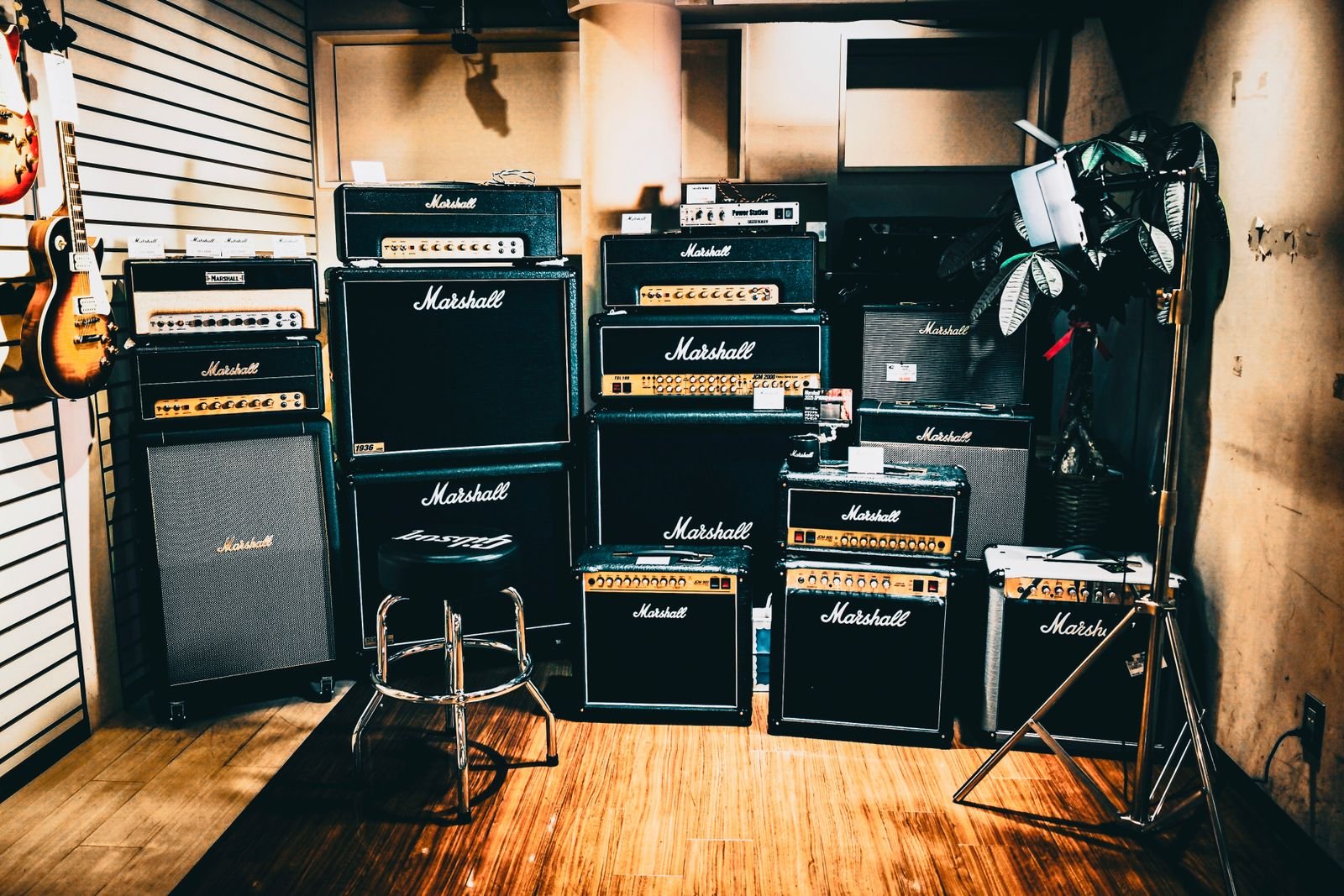
Amps did the heavy lifting in grunge. The loud, cranked-tube approach gave the music its weight, and a handful of platforms recur across the classic records.
| Band / Player | Key Amp | Character |
|---|---|---|
| Soundgarden (Kim Thayil) | Mesa/Boogie & Marshall heads | Thick, sludgy, downtuned heaviness |
| Pearl Jam (McCready/Gossard) | Marshall JCM800, Soldano | Singing leads, tight crunch |
| Nirvana (Cobain) | Mesa/Boogie + Fender power | Bright, saturated, dynamic |
| Alice in Chains (Cantrell) | Bogner & Marshall | Dark, harmonized doom-crunch |
The Marshall JCM800 is the quiet hero of the era: a tight, midrange-forward British crunch that takes pedals well and cuts through a dense mix. Pair it with a 4x12 cabinet and you have the backbone of countless grunge rhythm tracks.
Mesa/Boogie amps offered a thicker, more saturated American voice that suited the heavier bands, while Fender-style amps showed up for the brighter, jangly clean tones underneath the loud-quiet-loud arrangements. The common thread across all of them was volume. These amps were designed to be cranked, and a big part of the grunge tone comes from power tubes working hard, compressing and saturating in a way no bedroom-level setting can fully replicate. If you can’t play loud, an attenuator or a quality amp sim gets you partway there, but the genre was born from real amps moving real air.
Soundgarden and the heavier end
Kim Thayil’s tone with Soundgarden sits at the metallic, riff-heavy edge of grunge. He favored thick humbucker-loaded guitars and downtuned them aggressively, often into drop tunings that gave songs like “Rusty Cage” and “Black Hole Sun” their menace. That heaviness was as much about the genre’s musical character as the gear itself, which we explore in what defines the grunge sound.
Jerry Cantrell of Alice in Chains pushed even darker, using harmonized guitars and a doomy, sludgy crunch. His G&L Rampage and Bogner amps produced a tone that felt heavier and more claustrophobic than anything on radio at the time. Publications like Rolling Stone have long ranked his riffing among the most distinctive of the ‘90s.
Recreating iconic grunge guitars and amps today
You don’t need the original gear to get close. The market is full of reissues and affordable alternatives, and the recipe is forgiving.
- Guitar: a Squier or Fender offset (Jaguar, Mustang, or Jazzmaster), or a humbucker guitar for the heavier bands.
- Amp: a used JCM800-style head, a Mesa, or even a solid-state amp with a strong midrange and a good distortion channel.
- Pedals: a Big Muff and a Boss DS-1 cover most of the territory; a RAT adds bite.
- Cabinet: any decent 2x12 or 4x12; move air and the tone fills out.
Browse Sweetwater or the used listings on Reverb and you can assemble a convincing rig for a fraction of a vintage budget. The original players certainly weren’t spending big.
The bass and the bottom end
Grunge guitar tone never existed in a vacuum, and the bass rigs deserve a mention because they shaped how the guitars sat in a mix. Krist Novoselic of Nirvana leaned on Gibson and Ibanez basses through big, punchy amps, holding down the low end so the guitars could push their mids without fighting for space. Jeff Ament of Pearl Jam favored a more melodic, articulate tone, often on a fretless or a distinctive upright-style instrument.
The takeaway for a guitarist is simple: because the bass owned the deep low end, grunge guitar amps could be set bright and mid-forward without sounding thin. That division of labor is why a JCM800’s tight, slightly bass-light voice works so well in the genre. If your band has a solid bassist, you can carve your guitar tone for cut and let the low frequencies live where they belong. Publications like Guitar World have documented these rigs in detail for players who want to go deeper.
The bottom line
The iconic grunge guitars and amps weren’t status symbols. They were tools: cheap offset Fenders, hot-rodded humbucker guitars, and loud, mid-forward amps cranked until they snarled. That practical, anti-glamour approach is exactly why the tones still sound so honest. Grab an offset guitar, a Marshall-style crunch, and a fuzz pedal, and you’re holding the same ingredients that reshaped rock. For the playing side of the equation, head to how to get a grunge guitar tone.