What Defines the Grunge Sound?
The grunge sound, broken down: downtuned guitars, fuzz and feedback, loud-quiet dynamics, and the raw vocals that made Seattle's bands unmistakable.
Ask ten people to define the grunge sound and you’ll get ten flannel-clad shrugs. But the music is more specific than its mythology suggests. The grunge sound is a recognizable set of choices — heavy distorted guitars, a thick low end, dynamic shifts between hush and roar, and vocals that prize raw feeling over technical polish. Strip away the haircuts and the Seattle origin story and what’s left is a genuine sonic recipe, one you can hear the moment a needle drops on Bleach or Dirt.
The guitars come first
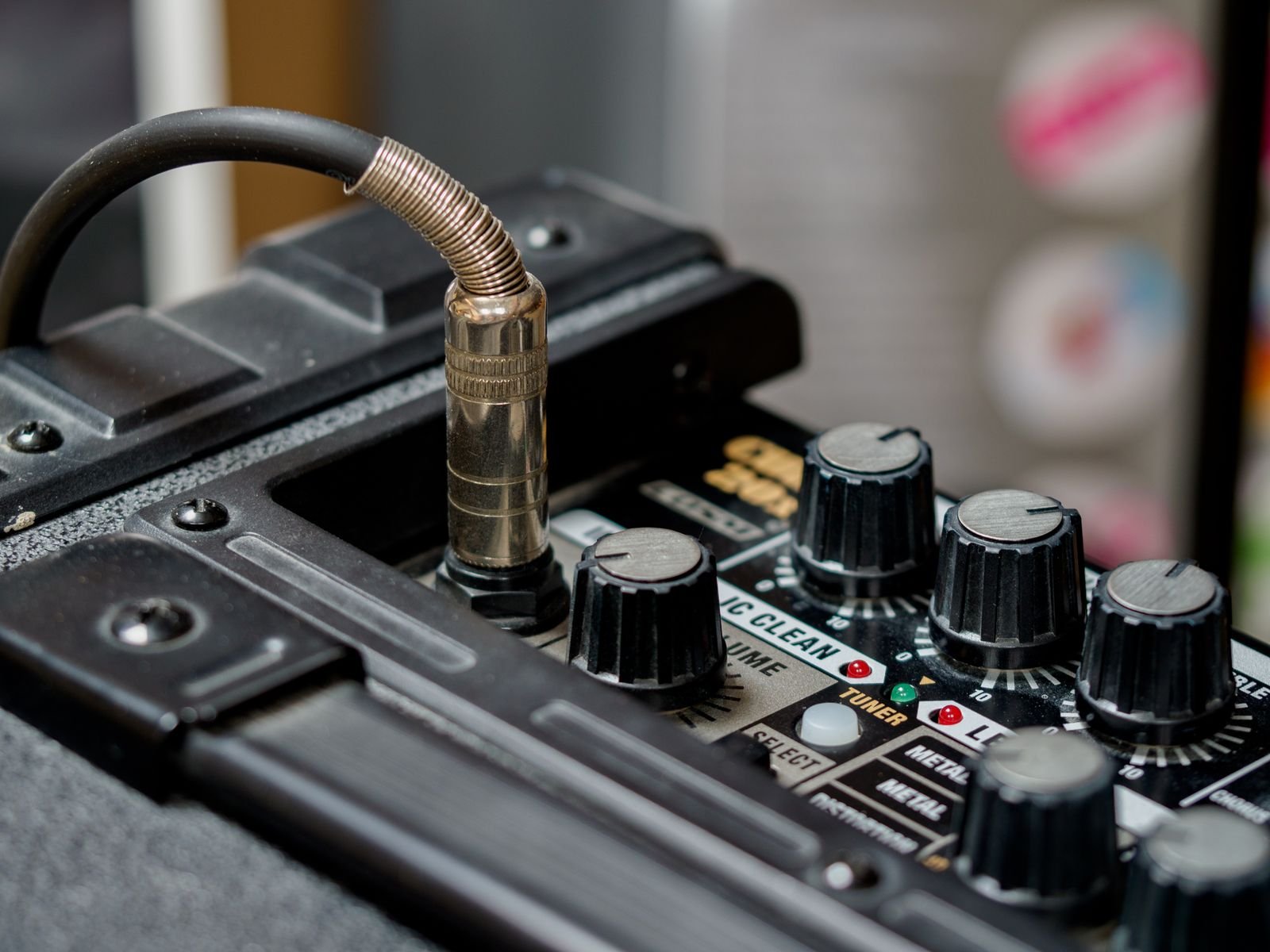
Everything about grunge starts with the guitar tone. The signature sound is dark, fuzzy, and downtuned, built on a collision of punk rock aggression and heavy metal weight. Players reached for thick distortion and fuzz rather than the bright, scooped tones of ’80s hard rock. The result sits heavy in the midrange, woolly and slightly broken, like an amp pushed past where it wants to go.
Detuning matters here. Dropping to drop-D or further down to C or even B added sludge and made the riffs feel like they were sinking. Soundgarden built a whole catalog around bizarre tunings, while Alice in Chains favored down-tuned, serpentine riffs that crawled rather than charged. If you want the full rig walkthrough, we cover it in how to get a grunge guitar tone, but the headline is simple: heavy strings, low tunings, and a fuzz pedal doing a lot of work.
Fuzz, feedback, and a love of ugliness
Grunge embraced sounds that cleaner genres treated as mistakes. Feedback wasn’t a flaw to be edited out; it was a texture. The squeal at the end of a chord, the hum of a cranked amp, the smear of a Big Muff fuzz pedal — these were features, not bugs. Mudhoney practically built their identity on “Touch Me I’m Sick,” a song that sounds like it’s actively falling apart.
This is the punk DNA showing through. Where metal guitarists chased precision and clarity, grunge bands wanted grit. The recordings often leaned lo-fi on purpose, and labels like Sub Pop marketed that murk as a virtue. Producer Jack Endino captured dozens of these early sessions at Reciprocal Recording in Seattle, dialing in tones that were heavy and a little broken rather than clean. The point was honesty over gloss, and it ran against everything mainstream rock production valued at the time.
It’s worth saying that the fuzz isn’t just one pedal or one trick. Mudhoney famously stacked a Super-Fuzz and a Big Muff together for a tone so thick it nearly collapses. Kim Thayil of Soundgarden chased dissonance and feedback as compositional tools, not accidents. The genre treated the amplifier and the pedalboard as instruments in their own right, which is why two grunge bands can sound so different while sharing the same dirty palette.
Loud-quiet-loud: the dynamic engine
If there’s one structural trick that defines grunge songwriting, it’s the dynamic swing between quiet verses and explosive choruses. Nirvana made it famous on “Smells Like Teen Spirit,” but they borrowed it openly from Pixies, whose soft-loud blueprint Kurt Cobain admitted he was “trying to rip off.”
The formula works because contrast is powerful. A restrained, almost brittle verse makes the wall-of-distortion chorus hit twice as hard.
- Verse: clean or lightly driven guitar, space, often a single voice and a simple bassline.
- Pre-chorus: tension builds, drums push, the band leans in.
- Chorus: full distortion, the rhythm section slams, vocals go from murmur to scream.
Not every grunge song follows it. Soundgarden often stayed heavy throughout, and Pearl Jam leaned on classic-rock build-ups. But the loud-quiet-loud structure became the genre’s most copied move, and it’s everywhere in the alternative rock that followed.
Voices that bleed, not show off
Grunge vocals are about expression over perfection. The genre produced some genuinely great singers — Chris Cornell’s multi-octave wail, Layne Staley’s haunted harmonies, Eddie Vedder’s baritone bellow — but even the technically gifted ones sang like they meant it more than they wanted to impress. Cobain’s voice frequently cracked into a raw scream, and that fraying was the point.
Lyrically the mood ran dark: alienation, depression, addiction, disgust with consumer culture. There’s irony and ambiguity too, often deliberately obscured. AllMusic’s genre overview of grunge describes that blend of angst and anti-glamour well. The vocal delivery sold the discomfort. You weren’t supposed to feel comfortable.
Harmony played a quiet role too. Alice in Chains built eerie, close two-part harmonies between Layne Staley and Jerry Cantrell that gave their darkest songs a strange beauty. Pearl Jam leaned on Eddie Vedder’s phrasing and the way he’d swallow and stretch words until they sounded wrung out. The common thread is commitment. Even the prettier moments carried a bruise, and the genre never confused technical range with emotional truth. A perfectly hit note meant nothing if it didn’t sound like it cost the singer something.
The rhythm section holds the weight
Underneath the fuzz, grunge rhythm sections did heavy lifting. Drummers like Dave Grohl played with a punishing, John Bonham-sized power, favoring big backbeats over flashy fills. Bass lines were thick and prominent, often carrying the melody while the guitars churned — listen to how Pearl Jam’s Ten lets the bass breathe, a record Rolling Stone has long ranked among the era’s best.
The tempos sat mostly in the mid-range. Grunge rarely sprinted the way hardcore did; it trudged and swung, leaving room for the riffs to land. That mid-tempo heaviness is part of what separates it from faster punk and from the showy speed of thrash metal.
The groove tended to be heavy and slightly behind the beat, which is part of why grunge feels like it has gravity. Soundgarden in particular loved odd time signatures — “Spoonman” and “My Wave” lurch in ways that reward repeat listens — but the band always made the strangeness feel physical rather than academic. The rhythm section’s job was to make the weight land in your chest.
How the pieces of the grunge sound fit together
Put the elements side by side and the genre’s character snaps into focus. Here’s the grunge sound at a glance, with the rock cousins it borrowed from.
| Element | Grunge | Borrowed from |
|---|---|---|
| Guitar tone | Fuzzy, downtuned, mid-heavy | Metal heaviness, punk grit |
| Song structure | Loud-quiet-loud dynamics | Pixies, indie rock |
| Tempo | Mostly mid-paced, sludgy | Black Sabbath, doom |
| Vocals | Raw, emotive, sometimes screamed | Punk and blues |
| Attitude | Anti-glam, DIY, honest | Hardcore punk |
No single band hit every box the same way, which is why Nirvana, Soundgarden, Pearl Jam, and Alice in Chains can sound so different yet still belong to one family. The shared DNA is the tone, the dynamics, and the refusal to fake it. Discographies on Discogs make the family resemblance obvious once you start listening across them.
The bottom line
The grunge sound is heavy guitars, fuzz and feedback, dynamic swings, and unguarded vocals stacked on a thick, mid-tempo groove. It’s punk’s honesty wearing metal’s weight, recorded with a deliberate disregard for polish. Once you can hear those ingredients, the genre stops being a fashion era and becomes what it always was — a specific, identifiable way of making rock music feel real. To see where it sits among its neighbors, read our breakdown of grunge vs. alternative rock.