
1991: The Year Grunge Broke
1991 grunge — the year Nevermind, Ten, and Badmotorfinger landed and a Seattle underground became the biggest sound in the world. Why it all happened at once.
If you had to compress an entire genre into a single calendar year, 1991 grunge would be the case study. In roughly twelve months, a heavy, unfashionable sound that had spent the ’80s confined to Pacific Northwest basements detonated into the biggest force in popular music. Three landmark albums, one impossible-to-ignore music video, and a culture caught completely off guard turned Seattle into the center of the rock universe.
Why 1991 grunge changed everything
The reason 1991 grunge looms so large is timing. The records didn’t trickle out over a decade — they arrived almost simultaneously, in a single concentrated burst that gave the movement undeniable mass. Within a few weeks that fall, Pearl Jam’s Ten, Soundgarden’s Badmotorfinger, and Nirvana’s Nevermind all hit shelves. Suddenly there wasn’t one breakout band; there was a whole scene.
That density mattered. A lone hit can be a fluke, but three major albums from one city in one season looks like a movement, and the industry treats movements very differently. The pump had been primed for years, of course. The slow build through the late ’80s, documented in our origins of grunge coverage, set the stage. But 1991 is when the dam finally broke.
There’s also a generational element worth naming. By 1991, the kids who’d grown up on both punk and metal in the early ’80s were finally old enough to make finished, fully realized records. The amateurish energy of the early Sub Pop singles had matured into actual songcraft without losing its edge. That maturity, arriving all at once, is why the year reads less like a string of lucky breaks and more like a wave that had been building toward shore for the better part of a decade.
Nevermind and the shot heard everywhere
No single record defines the year like Nirvana’s Nevermind. Released on September 24, 1991, on DGC, it was produced by Butch Vig and built around a sound that fused pop hooks with punk fury. Nobody at the label expected a phenomenon. Initial pressings were modest. Then “Smells Like Teen Spirit” hit MTV and everything changed.
The numbers became legendary. In January 1992, Nevermind knocked Michael Jackson’s Dangerous off the top of the Billboard 200, a symbolic passing of the torch that Rolling Stone and AllMusic still cite as the moment alternative rock went mainstream. The album would go on to sell tens of millions worldwide. For a band that recorded its debut Bleach for a few hundred dollars two years earlier, the leap was staggering.
Ten and the slow-burn juggernaut
Pearl Jam’s Ten tells a different but equally important story. Released in August 1991 on Epic, it didn’t explode immediately — it climbed. Over the following year, singles like “Alive,” “Even Flow,” and “Jeremy” turned it into one of the best-selling debuts in rock history, eventually outpacing many of its peers on the charts.
The band’s roots ran straight back to the scene’s earliest days. Vocalist Eddie Vedder joined guitarist Stone Gossard and bassist Jeff Ament, both veterans of Green River and Mother Love Bone, linking Pearl Jam directly to grunge’s founding generation. Where Nirvana was abrasive and ironic, Pearl Jam was earnest and anthemic, and that contrast is part of why 1991 felt so rich. The genre had range from the very start.
Badmotorfinger and the heavy wing
Lost in the shadow of its two chart-topping siblings is Soundgarden’s Badmotorfinger, released in October 1991 on A&M. It’s the heaviest and most musically adventurous of the three, dragging Led Zeppelin ambition and odd time signatures into the grunge conversation. Chris Cornell’s voice was a genuine instrument, capable of a wail that few rock singers could match.
The album proved grunge wasn’t a single formula:
- Nirvana brought punk economy and pop instinct.
- Pearl Jam brought classic-rock heart and arena scale.
- Soundgarden brought metal heaviness and progressive structure.
That diversity is why the movement had staying power. Soundgarden sat alongside Alice in Chains, whose Facelift had primed the heavier side of the scene a year earlier, ensuring the genre had a sludgy, darker flank as well as a poppy one.
Badmotorfinger also reminded everyone that grunge had deep musicianship under the grime. Drummer Matt Cameron, later of Pearl Jam, and bassist Ben Shepherd gave the band a rhythmic complexity that most of their peers never attempted. Tracks like “Rusty Cage” and “Outshined” lurched between time signatures while still landing as enormous, headbangable rock songs. It was proof that “alternative” didn’t have to mean simple, and it gave the genre a credibility with metal fans that helped grunge cross audiences nobody expected it to reach.
The cultural earthquake
The music was only half of it. 1991 grunge rewired the entire culture around rock. The “Smells Like Teen Spirit” video, with its anarchic pep rally, made MTV essentially a grunge channel overnight. Flannel and thrift-store layering went from regional uniform to global fashion statement. Major labels stampeded into Seattle, signing nearly anything with a fuzz pedal and a downtuned guitar.
The shift was abrupt and total. Hair metal, which had dominated the charts for years, looked instantly obsolete. The documentary-style concert footage and Charles Peterson’s grainy photography that Sub Pop had cultivated became the visual language of an entire era. We trace exactly how the industry capitalized on this in our piece on how grunge went mainstream, but the speed of the turn still astonishes.
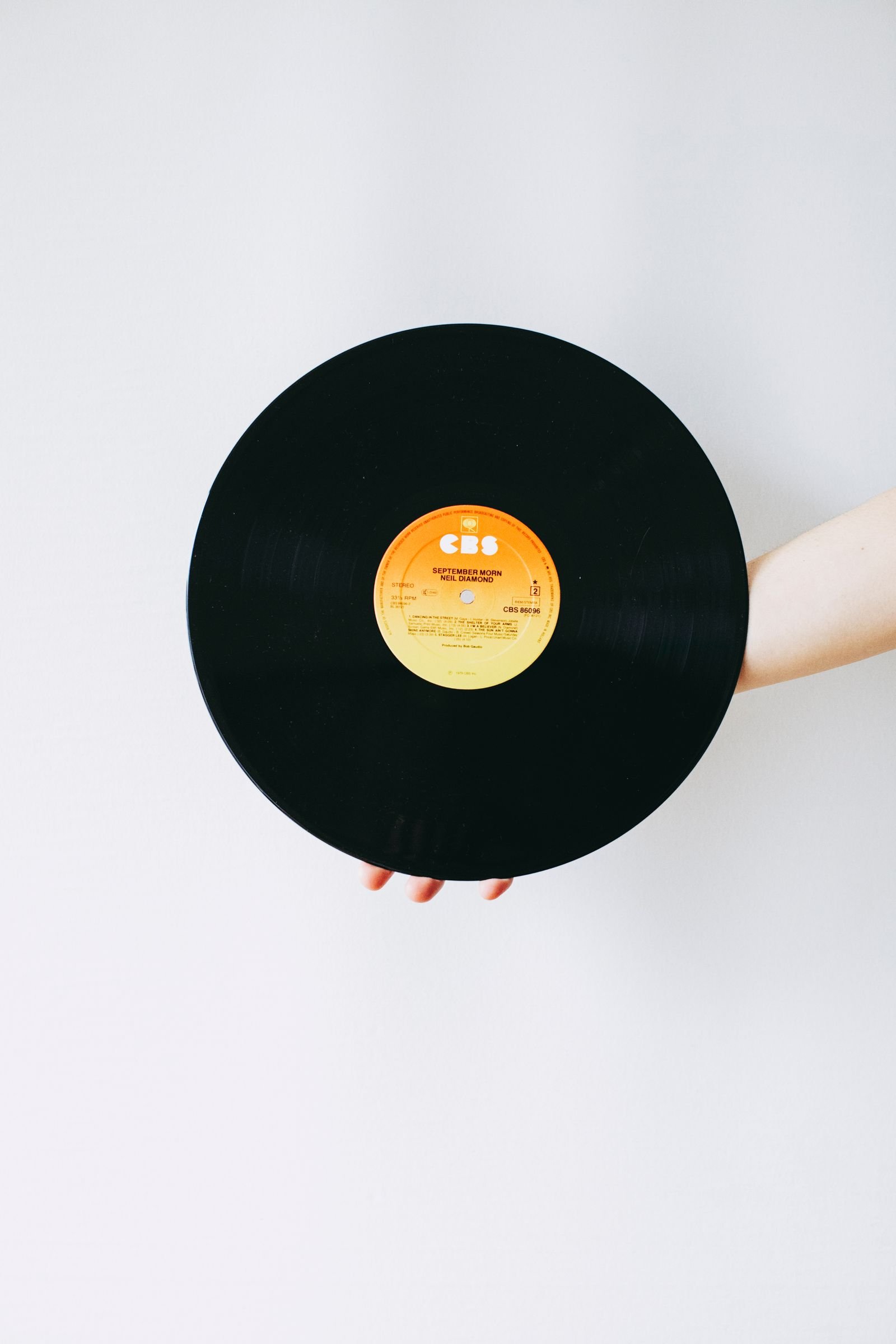
A year worth revisiting on vinyl
Decades later, 1991 remains the entry point for anyone discovering the genre. The three pillars of that year are the obvious starting line, and they hold up because they were built as great records first and scene artifacts second. Critics at Pitchfork and collectors trading early pressings on Discogs keep these albums in active circulation rather than letting them gather dust.
If you’re building a collection, the year offers a perfect starter trio across the genre’s spectrum. For a wider map of what to spin next, our rundown of the essential grunge albums extends the list well beyond 1991 — but it’s hard to argue with starting where the explosion did.
The bottom line
1991 grunge wasn’t one breakthrough; it was three, landing nearly at once and feeding off each other’s momentum. Nevermind, Ten, and Badmotorfinger gave the movement the critical mass to topple the old order, and the culture followed almost overnight. Few years in rock history carry this much weight, and even fewer changed the landscape so completely. To see how that single year fits into the larger arc, follow it forward into how grunge went mainstream and the reckoning that came after.