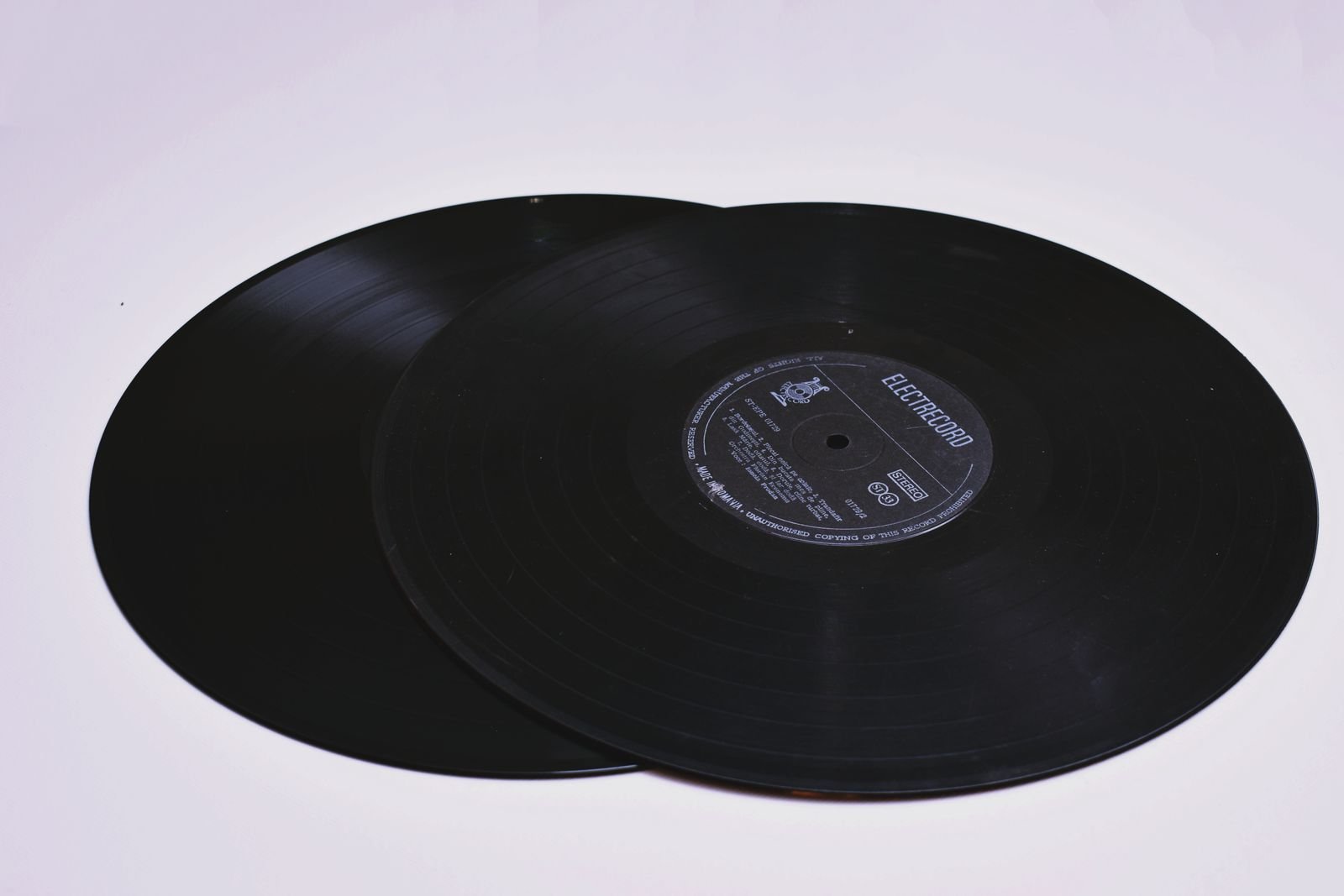
The Record Labels Behind Grunge
A guide to the grunge record labels that shaped the genre, from indie pioneer Sub Pop to the major labels that took the Seattle sound worldwide.
Behind every era-defining album is a label that pressed it, paid for it, and pushed it into the world. The grunge record labels that shaped the genre ranged from a broke Seattle indie running on hype to the deep-pocketed majors that turned the Seattle sound into a global product. Knowing them is the fastest way to understand how the music actually traveled.
Why grunge record labels matter to the story
Grunge is often told as a story of bands and tragedies, but the labels are just as central. They decided which demos got pressed, which singles got promoted, and which regional acts got national distribution. The shift from independent to major-label control is, in many ways, the entire arc of the genre.
The early scene ran on tiny budgets and DIY ethics, then collided with corporate money almost overnight. That collision is the same one we trace in our piece on how grunge went mainstream, and the labels were the machinery that made it possible.
A label does more than print a logo on a sleeve. It fronts the cost of studio time, manufactures and ships physical records, services radio and press, and books the distribution that gets an album into stores nationwide. For a 1988 Seattle band, the difference between a label and no label was the difference between a few hundred local cassettes and a record someone could buy in Ohio. Every milestone in the grunge story has a label’s fingerprints on it, even when the bands liked to pretend otherwise.
Sub Pop: the indie that started it all
No label is more synonymous with grunge than Sub Pop. Founded in 1988 by Bruce Pavitt and Jonathan Poneman, it released early records by Soundgarden, Mudhoney, and Nirvana, and branded “the Seattle sound” before the rest of the world caught on.
Sub Pop’s genius was marketing as much as music: the Charles Peterson photography, the Singles Club, and a relentless courting of the British press. We tell that story in full in our Sub Pop Records history, but for understanding the genre, just know that Sub Pop is patient zero. Pitchfork and AllMusic both treat its early catalog as essential.
The other independents
Sub Pop didn’t act alone. A cluster of smaller labels fed the underground and gave bands their first releases before the majors arrived.
- C/Z Records, a Seattle indie that put out the seminal Deep Six compilation in 1986, often cited as the first document of the scene.
- Touch and Go, the Chicago label whose roster and distribution helped underground heavy bands reach a national audience.
- Caroline Records, which released early Smashing Pumpkins.
- Empty Records and other tiny imprints that pressed regional singles in small runs.
These labels rarely made money, but they built the catalog that the majors would later raid. Many of their early pressings are now collector items on Discogs.
C/Z deserves particular credit. Its Deep Six compilation gathered Green River, Soundgarden, the Melvins, Malfunkshun, and others on one record before the word “grunge” meant anything, effectively documenting the scene at its embryonic stage. Without these small operations taking the first financial risk, there would have been no proven roster for Sub Pop to brand and no track record for the majors to chase. The indies were the venture capital of the scene, betting on bands when the bet looked foolish.

The majors move in
Once Nevermind proved the demand, the major labels descended on Seattle and signed nearly everything. Each major ended up with its own grunge flagship, and the rosters defined the commercial peak of the genre.
| Label | Key grunge act | Landmark album |
|---|---|---|
| DGC / Geffen | Nirvana | Nevermind (1991) |
| Epic | Pearl Jam | Ten (1991) |
| A&M | Soundgarden | Superunknown (1994) |
| Columbia | Alice in Chains | Dirt (1992) |
DGC Records, a Geffen imprint, signed Nirvana and reaped the rewards when Nevermind sold tens of millions. Pearl Jam landed at Epic, while Soundgarden’s long run with A&M produced some of the genre’s most adventurous records.
The majors brought things the indies simply couldn’t: national radio promotion, MTV relationships, tour support, and pressing capacity to meet sudden demand. When Nevermind unexpectedly exploded, DGC could press millions of copies fast enough to keep stores stocked through the holidays, something a label like Sub Pop could never have managed. That muscle is exactly what scaled a regional sound into a global one. The trade-off, of course, was the loss of the underground control that had made the music distinctive in the first place.
Indie roots meet major muscle
The most interesting deals blurred the line between independent and major. The Nirvana arrangement is the classic example: Sub Pop negotiated a buyout that gave it a royalty cut and a logo on Nevermind, meaning the indie kept profiting even after losing its biggest band.
That hybrid model became common. Majors would sign a band but keep indie credibility by leaving early catalog with the original label, or by routing releases through indie-flavored imprints. The result was a messy, lucrative ecosystem that Rolling Stone has spent decades documenting. It let bands claim underground authenticity while cashing major-label checks.
The arrangement cut both ways. Indies got a financial cushion and continued relevance; majors got credibility they couldn’t manufacture and a pipeline of pre-vetted talent. A band that had already proven itself on a label like Sub Pop or C/Z was a far safer bet than an unknown, so the indies effectively functioned as the majors’ farm system. The grunge gold rush wasn’t a clean handoff from underground to corporate so much as a tangled partnership where the lines between the two blurred almost beyond recognition.
How to dig into the labels yourself
If you want to explore the discographies, the best approach is to follow the catalog numbers. Labels assigned sequential numbers to releases, and tracing them reveals the shape of a scene.
A few starting points:
- Pull up Sub Pop’s catalog on Discogs and follow the early single numbers.
- Cross-reference release dates and personnel on AllMusic.
- Check the Deep Six and Sub Pop 200 compilations to see who shared a scene before they were famous.
- Note which majors picked up which bands and when, to map the gold rush of 1991 to 1993.
Done patiently, this turns a pile of records into a readable history of how grunge spread from basement to boardroom.
It’s also worth noting how the labels’ fortunes diverged after the boom. Sub Pop survived by selling a stake to Warner and reinventing itself for the indie era. Many of the smaller imprints folded or were absorbed once the bands they nurtured moved on. The majors, meanwhile, kept squeezing the formula long after the original scene had burned out, bankrolling the polished post-grunge bands that dominated late-’90s rock radio. Following the labels, in other words, doesn’t just explain the rise of grunge; it explains its commercialization and its long, diluted afterlife too.
The bottom line
The grunge record labels are the hidden architecture of the genre: Sub Pop built the myth, a handful of indies fed the underground, and the majors scaled it to the world. Trace the imprints and you trace the music’s entire journey from cheap singles to platinum albums. To go deeper on the label that started it all, read our full Sub Pop Records history.