
Pearl Jam: Where to Start
Figuring out Pearl Jam where to start? This guide covers the essential albums, songs, and band history to get you into one of grunge's longest-running acts.
Pearl Jam are the marathon runners of grunge, and that’s exactly why newcomers freeze up. If you’ve been wondering with Pearl Jam where to start, the catalog is genuinely daunting: more than a decade of beloved records before you even reach the deep cuts, plus one of the most exhaustively documented live histories in rock. The good news is that the on-ramp is simple, and once you’re in, the band rewards you for years.
Who Pearl Jam are
Pearl Jam formed in Seattle in 1990 out of the wreckage of an earlier band, Mother Love Bone, whose singer Andrew Wood had died that year. Guitarist Stone Gossard and bassist Jeff Ament regrouped, recruited guitarist Mike McCready, and found a surfer from San Diego named Eddie Vedder to sing. That lineage matters: Gossard and Ament had played in Green River, one of the founding grunge bands.
That origin story matters because it explains the band’s seriousness. Pearl Jam started in grief, not in hype, and you can hear it in how earnestly they approached everything that followed.
Vedder’s baritone is the band’s signature — earnest, weathered, instantly recognizable. Around him, the band built a sound rooted in classic rock as much as punk, which set them apart from the more abrasive corners of the Seattle scene. Where Nirvana leaned punk and Soundgarden leaned metal, Pearl Jam wore their love of Neil Young and classic ’70s rock on their sleeves, and that warmth is a big part of why the band connected with such a broad audience.
Over the years the drum chair changed hands several times — Dave Krusen, Dave Abbruzzese, and Jack Irons all passed through — before Matt Cameron, of Soundgarden, settled in for the long haul starting in 1998. That stability in the back half of the lineup mirrors the band’s whole ethos: built to last, not to burn out.
Pearl Jam where to start: the first three albums
You can’t go wrong beginning at the beginning. The opening trilogy is where most fans fall in love.
| Album | Year | Label | Why it matters |
|---|---|---|---|
| Ten | 1991 | Epic | The debut that made them stars |
| Vs. | 1993 | Epic | Rawer, angrier, record-breaking sales |
| Vitalogy | 1994 | Epic | Experimental, restless, fan-favorite |
Ten is the obvious entry point, packed with songs that became radio fixtures. We pull it apart in our Ten album deep dive, but even on a first listen you’ll recognize half of it. Vs. turned the aggression up and, on release, set a record for first-week sales. Vitalogy is where the band started fighting their own fame, getting weirder and more willful on purpose.
These three came out on Epic Records between 1991 and 1994, the white-hot center of the grunge era. If you only listen to these, you’ll already know why Pearl Jam endured.
It’s worth understanding the arc across those three records, because it tells you who the band would become. Ten is lush and anthemic, built for arenas even before the band had filled one. Vs. is leaner and angrier, a deliberate reaction against the polish that had made the debut a monster. By Vitalogy the band was openly experimenting, burying noise collages and oddball interludes between the hits, and even fighting their own label over the price of the album. That restlessness — the refusal to simply repeat Ten — is the through-line of the entire career.
Essential Pearl Jam songs
Short on time? This playlist is the fastest way in.
- “Alive” — the breakthrough single, built on a McCready solo for the ages.
- “Even Flow” — pure Ten-era swagger.
- “Black” — the slow-burn ballad that fans hold sacred.
- “Jeremy” — the dark, MTV-defining hit.
- “Daughter” — from Vs., quiet and devastating.
- “Better Man” — an instant singalong off Vitalogy.
- “Corduroy” — proof the deep cuts hit as hard as the singles.
Live, several of these stretch and mutate, which is part of the fun once you go deeper. “Black” in particular often becomes a sprawling emotional centerpiece onstage, and “Alive” has shed its original meaning to become a defiant crowd anthem.
The live band is the real band
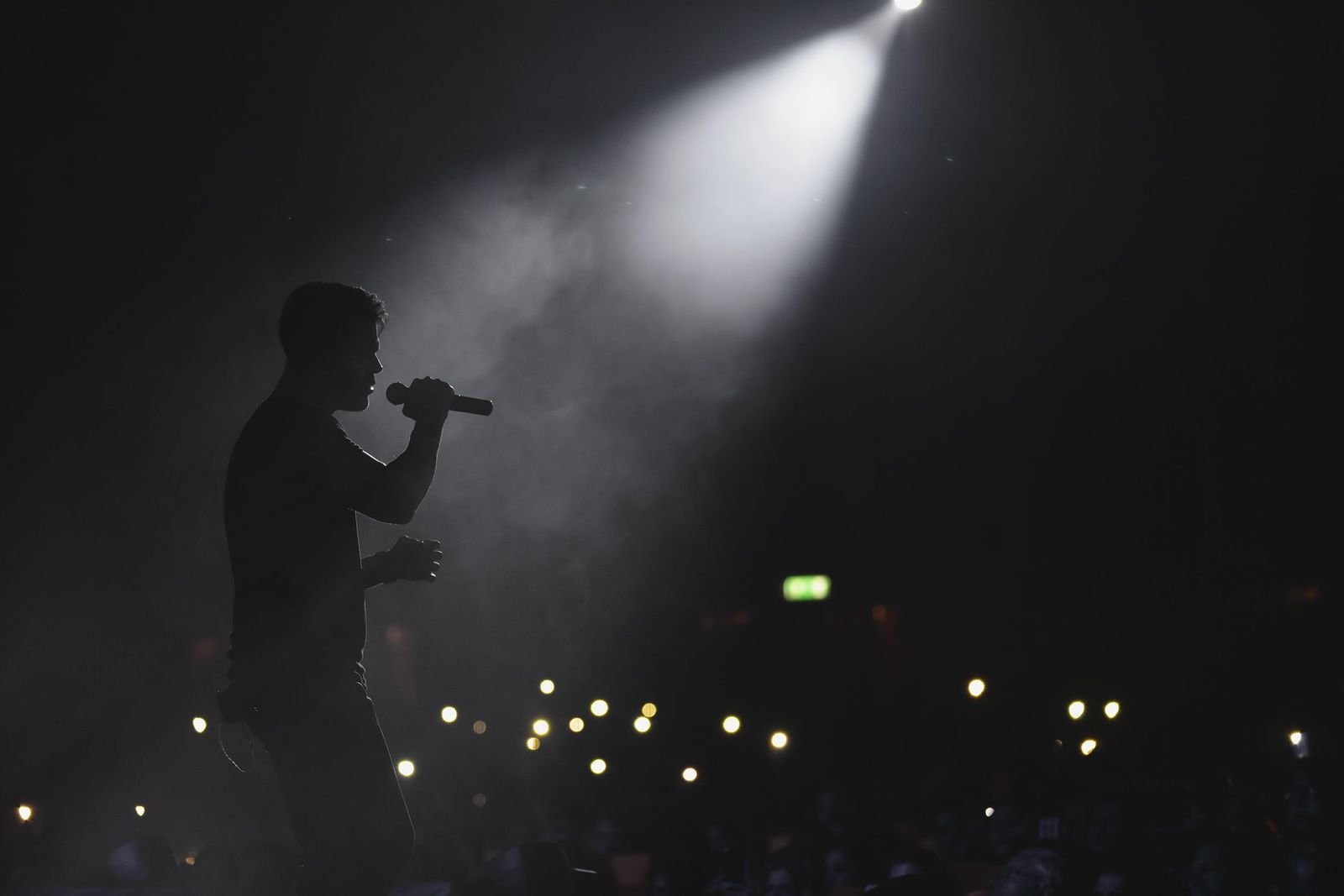
Here’s the thing nobody tells beginners: Pearl Jam’s studio albums are only half the story. Since the early days the band has been a ferocious live act, and starting in 2000 they began officially releasing nearly every concert as a “bootleg,” an unprecedented move at the time. There are hundreds of these.
You don’t need all of them. But once a few studio records click, pick a well-regarded show and hear what the songs become onstage — longer, looser, sometimes transformed entirely. Vedder’s habit of changing lyrics on the fly, the extended jams, the deep-cut requests pulled out for a single city: the live catalog is where the band’s relationship with its audience really lives. The band’s own site at pearljam.com and archives on Discogs can help you find the celebrated ones, and live compilations like Live on Two Legs (1998) make a friendly starting point. This devotion to live performance is a big reason the band built a fanbase that never left.
Why Pearl Jam mattered beyond the music
Pearl Jam were one of the four or five bands that turned a regional Seattle sound into a national phenomenon, a story we tell in full in how grunge went mainstream. But they’re also famous for what they did with that success. In the mid-1990s the band waged a public battle against Ticketmaster over service fees, even testifying before Congress, and largely stopped touring conventional venues for a stretch as a result.
It cost them commercially and it’s exactly why they’re so respected. Where some peers burned out or broke up, Pearl Jam treated the band as a long-term institution. Outlets like Rolling Stone and Pitchfork have spent decades chronicling that stubborn integrity, and the deep critical record on AllMusic reflects a band that simply kept showing up.
How to keep listening
Once the early trilogy is yours, the catalog opens wide. A few signposts:
- No Code (1996) and Yield (1998), where the band matured and experimented.
- Riot Act (2002) and the self-titled Pearl Jam (2006), the leaner, road-tested middle era.
- Later records like Lightning Bolt (2013) and Gigaton (2020), proof the band never coasted.
There’s no wrong order from here. Pearl Jam built a catalog deep enough to wander in for years, and unlike many of their peers, the later records genuinely reward the trip rather than coasting on the early hits. Yield in particular is a quiet fan favorite, and the band’s cover of “Last Kiss” became a surprise hit single in 1999. Newcomers often skip everything after Vitalogy and miss some of the band’s most assured work.
The bottom line
With Pearl Jam, where to start is genuinely simple even if the full catalog isn’t: begin with Ten, move through Vs. and Vitalogy, and let the live obsession take hold from there. It’s one of grunge’s most rewarding rabbit holes precisely because it never really ends. When you’re ready to go deep on the record that started it all, read our full Ten album deep dive.